
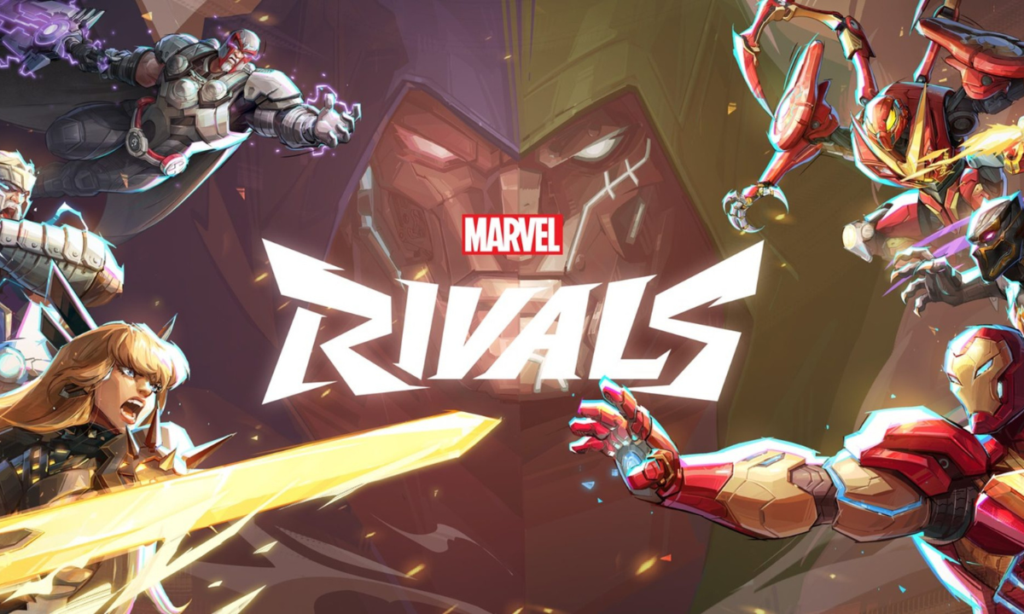

- Easy Tips to Stop Overshooting and Improve Your Flick Aim in FPS Games - July 23, 2026
- How to Actually Hit Your Shots and Get Better in Marvel Rivals - July 13, 2026
If you want to get better at Marvel Rivals, you need to nail your aim. You can queue up, pick your main, and grind matches all day, but unless you actually focus and learn the game’s tricks, you’re not hitting One Above All.
Season 9’s trailer just dropped, so you might be thinking about jumping back in. If you’re rusty, or even if you’ve just been grinding with no measurable improvement, here’s the good news: there are real, structured ways to get better than just clocking hours and hoping.
Why You’re Missing Shots in Marvel Rivals
There’s a lot to learn in Marvel Rivals, but fixing your aim is the big one. Most shooters keep everyone glued to the ground. You just strafe and aim for the head. Simple, right?
Marvel Rivals isn’t like that. The map’s a dome, Iron Man and Storm are dropping in from above, and Spider-Man is swinging around, breaking your line of sight every second. Add in 6v6 chaos and destructible maps, and your brain can fry.
Spraying and praying isn’t going to cut it here. You can’t just stop tracking the enemy and start guessing or, like me, mashing buttons.
To win, you need to stop panicking and start tracking smoothly. Building muscle memory is huge because your hand has to follow targets automatically under immense pressure.
First, let’s get the basics down.
Understanding Hero Archetypes and How They Affect Aim
Before we get into training, let’s talk heroes. Aiming changes a lot depending on who you play. Here are the big three archetypes.
The Vanguard (The Space Creators)

First up: Vanguards. If you main tanks like Venom or Captain America, you might think you don’t need great aim because your hitboxes are huge. That’s a trap. Your job is close-range, high-angle target hunting.
Dive the backline as Venom and everyone scatters. You need quick, close-range tracking and fast camera movement, all which need real aim skill.
The Duelist (The Damage Dealers)
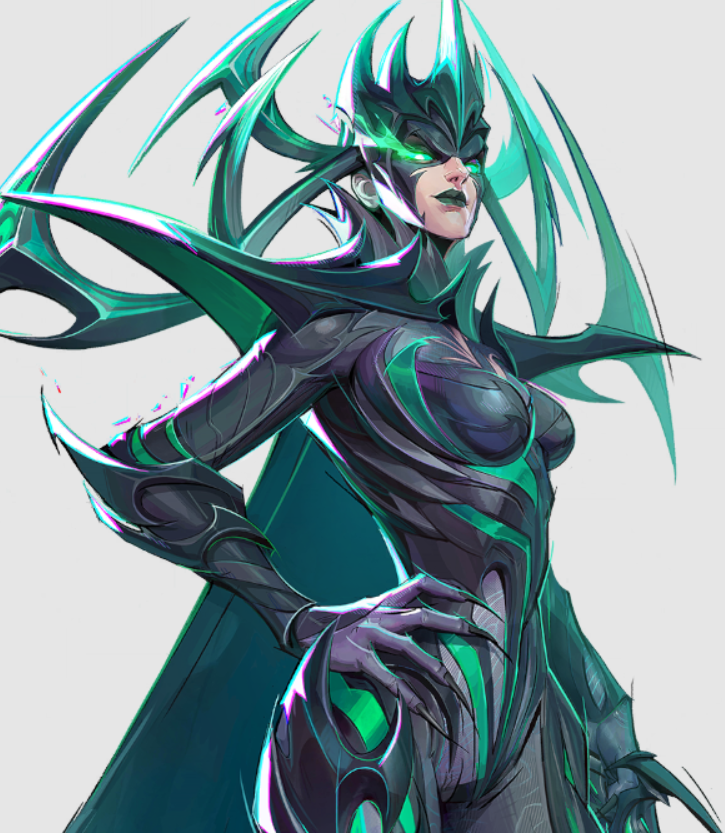
This is where your raw aim gets tested. You’ve got two types: precision shots and dynamic projectile tracking.
If you’re running Hela or Deadpool, you live and die by your micro-flicks and precise click-timing. You need to be able to isolate an enemy’s head out of a cluster of six bodies and click it consistently to hit Hela’s massive headshot multipliers.
On Iron Man, it’s all about smooth tracking while flying and executing aerial manoeuvres.
The Strategist (The Lifelines)
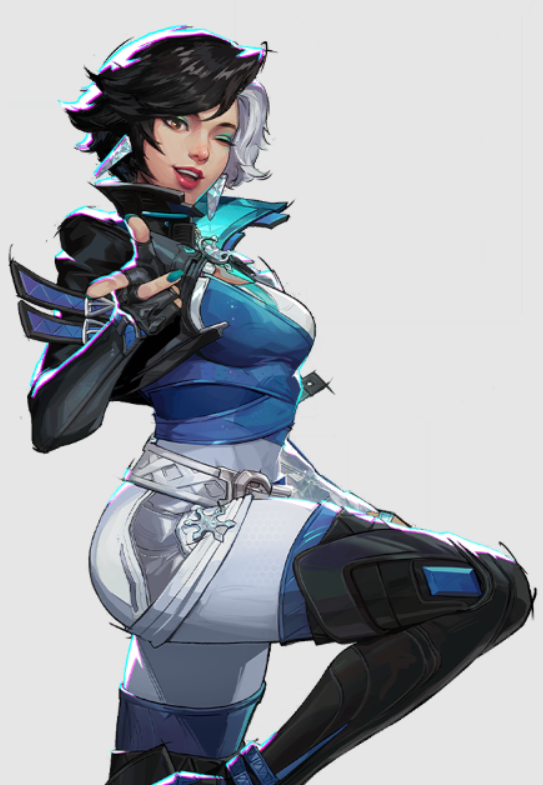
Don’t sleep on support aim. Healing and peeling means you need some of the fastest target-switching around.
One second you’re tracking your flying tank with Luna Snow, the next, Spider-Man drops in. You have to swap targets fast, switch aim styles, and hit those clutch defensive shots under pressure.
Building an Actual Aim Training Routine
So how do you actually build these skills? For a long time the advice was basically “join an aim group” or “mess around with whatever trainer you can find,” since most aim trainers weren’t really built with tracking-heavy hero shooters in mind.
These days there are actual websites aimed specifically at that problem. Sites that supposedly improve your gameplay (like KovaaK’s Aim Trainer and Aimlabs) are mentioned a lot in the FPS/hero-shooter forums. They’re basically online training grounds where you can practice FPS without screwing up your stats.

Think of it like a batting cage instead of a real game: no teammates, no objectives, just targets to hit over and over so your hand-eye coordination gets sharper.
I’ve used Aimlabs and prefer it to some of the competition. It’s free to use, but also has a paid tier if you want the extra tracking and analytics, and enough people (including some pros) use it that it’s worth knowing about.
How it Works:
- You pick a drill (“scenario” or “task”), like tracking a moving target, flicking to targets that pop up randomly, or switching fast between multiple targets.
- You match the settings to your real sensitivity and DPI so the muscle memory actually transfers.
- You run the drill for a set time and it scores you on accuracy, reaction time, and how clean your mouse path was.
- Its AI coaching layer looks at that data and flags specific problems, like overshooting targets or sloppy vertical tracking, then suggests drills to fix that exact issue.
But remember, sites like this aren’t magic or the only thing that works, and any big percentage-improvement numbers you see quoted are the tool’s own marketing, so take it with a grain of salt. Still, the core idea (isolating specific mechanical weaknesses and drilling them instead of just queuing match after match) is sound, whatever software you use to do it.
If you go this route, the main thing is making sure whatever trainer you pick matches your Marvel Rivals sensitivity and actually gives you game-relevant drills.
The Ultimate Marvel Rivals Daily Aim Routine
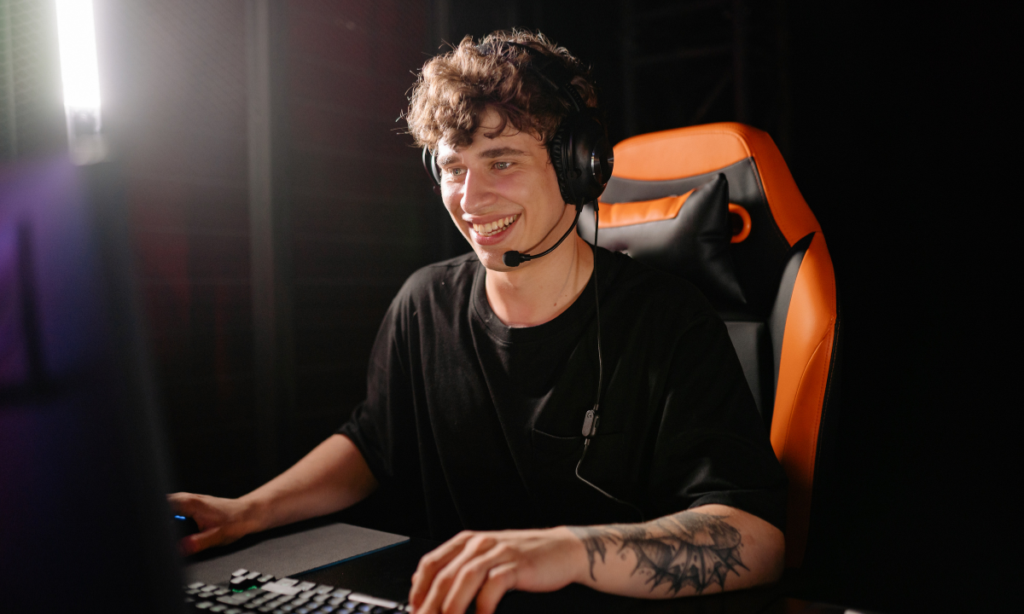
Here’s the four-step routine to run for 15-20 minutes before you queue up. Consistency is what helps you climb, and this routine covers all the weak spots for every hero type.
Here are a few steps that you can take to improve your aim and performance in Marvel Rivals.
1. Take the Time to Wake Up Your Nervous System
Try not to stress about high scores. Just wake up your hands, wrists, and eyes. Five minutes here makes a huge difference. Do smooth, wide-angle tracking drills. Keep your crosshair steady, no flicking ahead. This gets your brain ready for all the wild jukes from Star-Lord or Rocket Raccoon. Run this for three to five minutes before any match.
2. Conquering Verticality
Watch how these targets move up, down, everywhere really – just like Spider-Man or Iron Man. Use your whole mousepad, not just your wrist. Most people have good horizontal aim thanks to years of playing FPS games, but it’s common to struggle with verticality. Move your arm up and down cleanly. This builds the vertical tracking you need to swat flying heroes out of the sky.
3. Precision & Click-Timing
This one’s for Duelist mains, but everyone needs it. Now that you’re warmed up, focus on micro-corrections. The targets are tiny, so slow down and make every click count.
Speed means nothing if your accuracy sucks. Don’t rush. If you’re under 90% accuracy, slow down. Once you’re hitting 95% and feel in control, make it harder on yourself with faster targets, smaller targets, or tougher drills. That’s how you build scary Hela aim that makes enemies want to rage-quit.
4. Analyzing Your Weaknesses
If you want to get serious about this, a good aim trainer’s analytics can show you where your mechanics actually break down, instead of you just guessing.
For example, if a tool flags that your path efficiency is low, that usually means your mouse movement is uneven or you’re zig-zagging while tracking, which is why you keep losing shots on fast-moving heroes like Iron Man. The fix is usually a smooth 3D tracking drill until your path efficiency improves.
Or if you’re consistently overshooting targets because of high muscle tension, a focused microshot-tapping drill with a strict accuracy threshold can help train your click control.
5. Transitioning Your Mechanics to Ranked
The biggest mistake players make is changing their state the moment they load into a match.
In training, you were relaxed, focused on paths, and intentionally tracking targets – but the second a ranked point goes into overtime you tense up your hand, squeeze your mouse with a death grip and go back to panic-flicking.
When you load in, make sure your hand stays relaxed. If your hand tenses up or your aim jitters, pause for a second, shake out your hand, and reset your grip. If you die, whatever. If you lose track of your target, take a breath and refocus on the enemy.
Why Building Good Habits is the Best Way to Start
Building the habit of catching yourself and resetting is what separates players who actually improve from those who just grind. If you can recognize when your old habits sneak back in and correct them in the moment, you keep the progress when it actually matters.
It’s easy to just chain matches and hope it pays off eventually. But treating practice as something deliberate, instead of hoping repetition alone will fix your aim, is what actually moves the needle. Whether that means a dedicated aim trainer, or just being more intentional about a warm-up routine before you queue, the underlying idea is the same: figure out what’s actually broken, and drill that specifically.
Try running a routine like this before your ranked sessions, track how it feels over a few weeks, and adjust based on what’s actually working for you. Good luck, and have fun!