

- How to Improve Tracking Aim in FPS Games: A Complete Training Guide - July 30, 2026
- How to Get Better at Valorant: Building Game Sense, Aim, and Movement Skills - July 23, 2026
- Aimlabs vs KovaaK’s: Which Aim Trainer Should You Use? - June 28, 2026
No matter what multiplayer shooter you’re playing, one thing you can be sure of is that it’s a long way to the top. There’s a great deal that goes into getting better, and a major part of the battle is understanding how to balance your time to ensure your skills level up in sync.
While opinions on what’s most important for a given game differ, no one will argue that good aim and competence with the controls aren’t the foundation. No matter how good your loadout or teamwork is, it ultimately comes down to who can position their crosshair on the opponent first and maintain accuracy to finish the kill.
Let’s take a look at the key components involved in becoming a more calculated player.
Where Most People Go Wrong
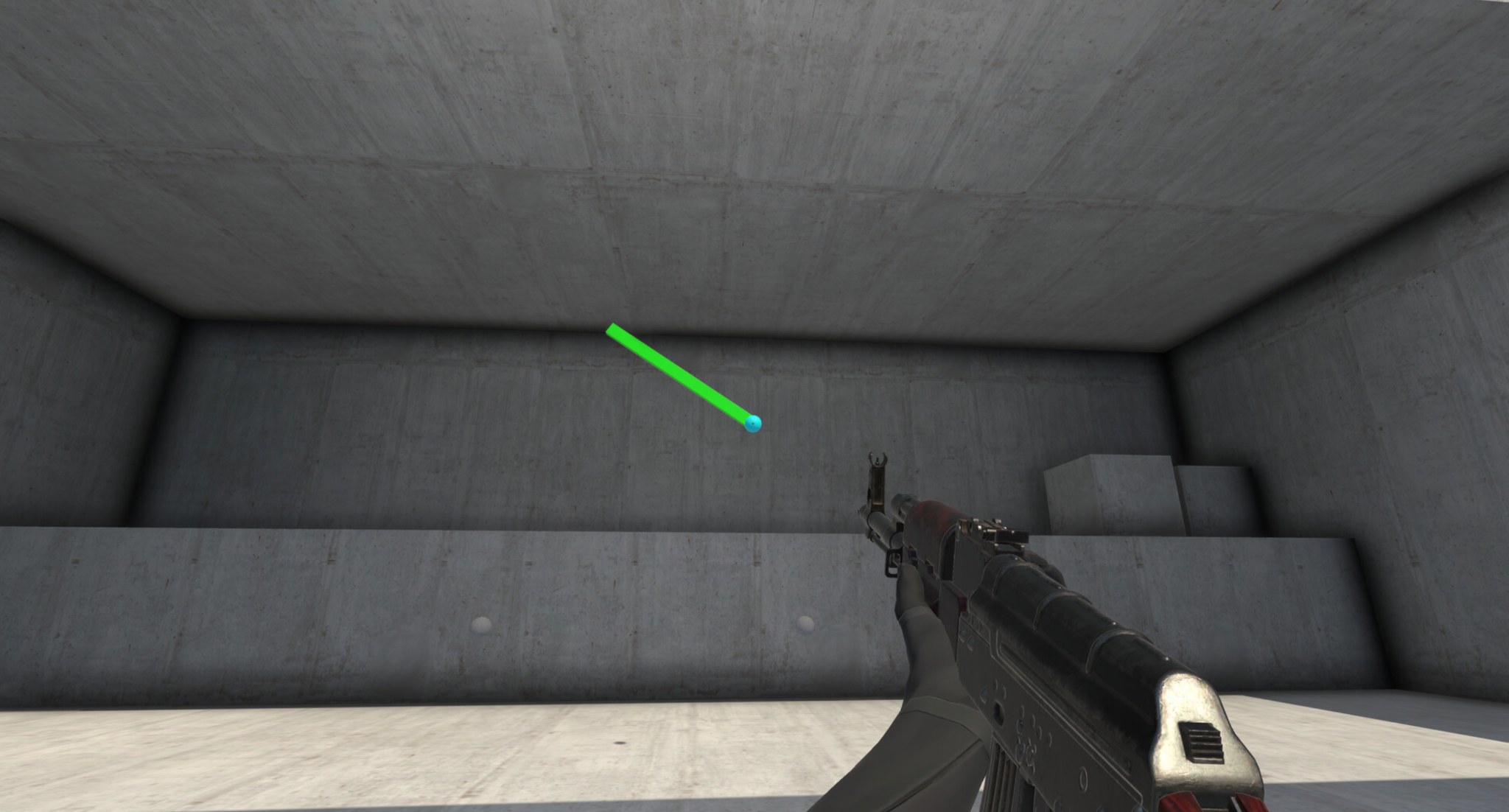
It can help to think of a tracking encounter in two distinct phases: before the first shot and after it. If you manage to get the jump on your enemy, you’ll find yourself needing to center your crosshair and carefully follow them across the screen before choosing the most opportune moment to take the shot. Sniping is the perfect example of this, but the same goes for using a pistol or an assault rifle, too. In these scenarios, it’s all about controlling your mouse with smooth motion.
Once you take the shot, your enemy will naturally be moving around as much as possible to both avoid your fire and find out where you are to fire back. In these instances, you’ll need to master strafing to avoid incoming shots as you simultaneously attempt to maintain focus and eliminate your target as quickly as possible.
The before-and-after points usually mark the transition from smooth tracking to reactive tracking. Smooth tracking has you following enemies with predictable movement patterns, usually over longer distances, who are either unaware of your presence or fleeing from you in open spaces. Reactive tracking necessitates speed during intense, closer proximity duels with enemies that are actively trying to defend themselves or who are using movement aids to evade you.
One of the biggest problems is that people fail to distinguish between these two scenarios and don’t take the time to understand the differences between being reactive and being methodical.
While both instances of tracking require a different approach, weaknesses typically exist due to the following:
1. Your mouse movements are too erratic as opposed to being smooth and controlled.
2. You’re not reacting quickly enough to changes in movement.
3. You overcorrect, and therefore miss the majority of your shots.
Each of these fundamental weaknesses is corrected by learning to stay calm under pressure and developing synergy between physical tools (primarily your mouse) and digital ones (the idiosyncrasies of the guns you use, for example). It’s also important to remember that your A and D keys move the crosshair as well, and your ability to use these in conjunction with the mouse makes a significant difference to your accuracy.
A Word on Good Game Sense
Before we get onto the actionable steps for improving your tracking with dedicated training, it’s key to establish a baseline of good game sense.
Where your aiming skills represent how you perform on the micro level, understanding the macro elements of map awareness, game-specific mechanics, time-to-kill (TTK), and the inherent differences of each weapon and ability are each vital for being successful. That is to say, drop a CS: GO player with pinpoint aim into Valorant, and they won’t get very far. Many of the difficulties described in the section above can be categorized as partly issues with game sense – a lack of understanding of the game’s mechanics and poor situational awareness.
You’ll of course already be familiar with the rules of the shooter you’re trying to get better at, but developing good game sense goes further than that. When it comes to tracking, it’s about putting yourself in a position where it’s easier in the first place.
The most favorable fights are those where you have cover, but you’re attacking the enemy in an open space, giving you plenty of room to track without obstruction. If you’re taking a fight in a built-up area or where there are corners, bushes, and optimal conditions to hide, it’s likely better to attack at close range, using the element of surprise, thereby prioritizing flicking and microadjustment over traditional tracking.
Remember: the closer you are to an enemy, the faster you’ll need to track, and the further away they are, the slower and smoother you must be. There becomes a point where tracking blurs into flicking as time-to-kill narrows, and immediately landing your crosshair on the target and firing in a split second is required to win.
On a more personal level, knowing your weapons is especially important for improving your tracking. Even if you’re characteristically best with a certain gun, it’s key to evaluate from the perspective of how that weapon enables you to maintain control as you pan across the screen. Remember to switch weapons as you enter different environments to better suit the potential fight.
There’s also the matter of where on the body you’re shooting. While the natural instinct may be to go for the head, you’ll need to assess risk-reward carefully. At the middle distance, you might be able to score a winning headshot during the tracking process, but that becomes increasingly less likely the further you are from a target. Consistently scoring body shots is usually more important for predictable, consistent wins.
Finally, you should do your best to read an enemy’s movements. Tracking is all about thinking two steps ahead; where’s the next piece of cover they’ll likely be running to? Will they try to escape vertically? Is there a chance they’re luring you to their teammates because they’re low on health? Your predictions won’t be right every time, but insights like this help you develop greater spatial awareness in different types of encounters.
Isolated Tracking With Dedicated Aim Trainers
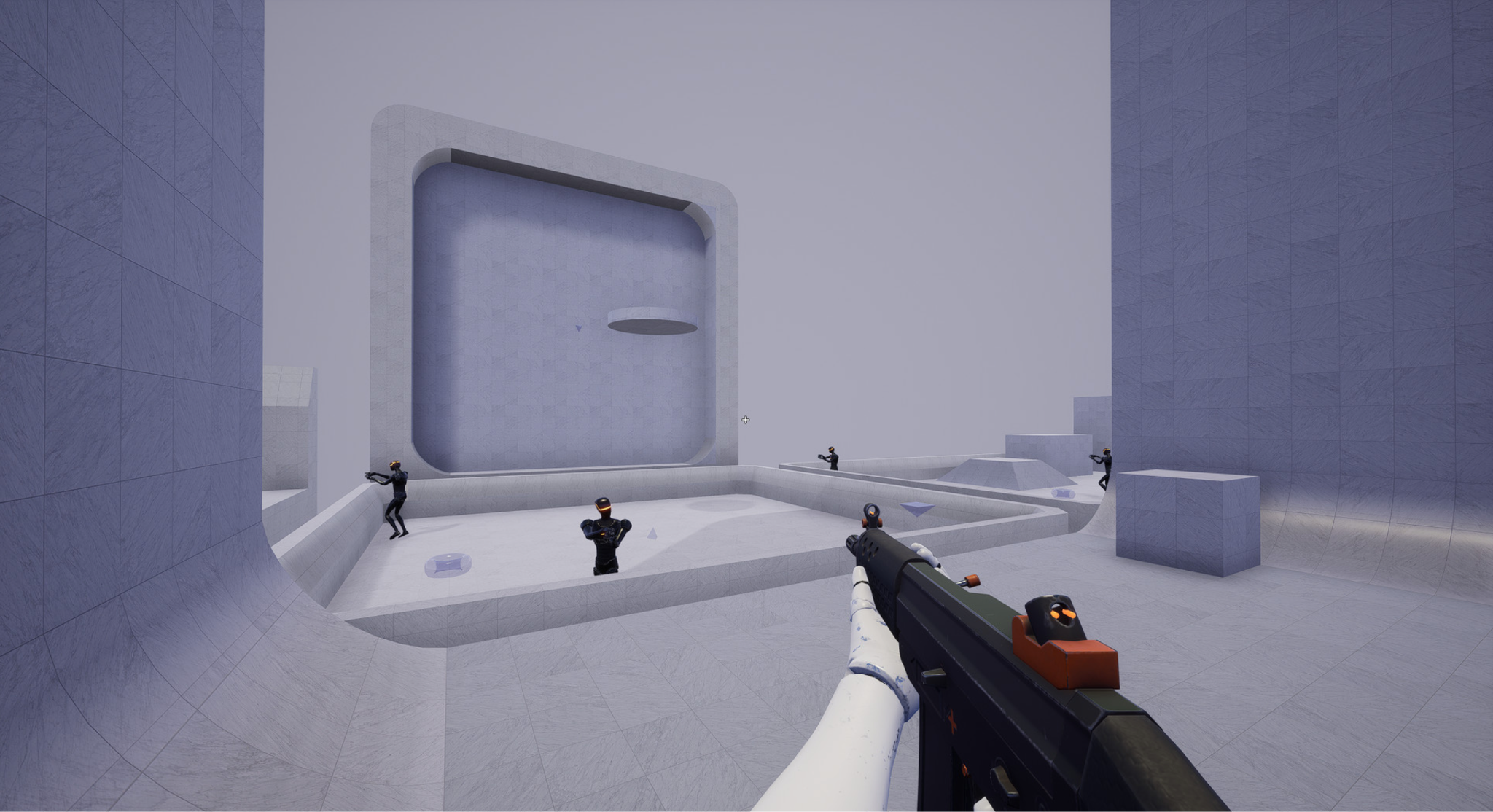
While you can certainly improve by simply playing the game (and you’ll definitely need to do this to better your game sense), dedicated aim trainers are the way to go to enhance your skills in smooth and reactive tracking directly. They provide a risk-free environment for you to practice in, with drills and routines that specifically get at the weaknesses most players struggle with.
Of course, the first question becomes which aim trainer to choose. Aimlabs, Kovaak’s, and Aimbeast are the three most popular, each with strengths and weaknesses.
Kovaak’s is ideal if you’re looking for a no-frills, traditional PC experience with the most scenarios of all trainers, though it costs $10 and the menus can be a little difficult to navigate. Aimbeast is cheaper at $8 and well-designed, but it doesn’t offer much content for beginners. Aimlabs is totally free and definitely the most accessible, but the best thing about it is its benchmarking and feedback system, which prioritizes exposing weaknesses using scores, graphs, and heatmaps to help you improve faster. The more traditional systems in a trainer like Kovaak’s are great – and grinding Voltaic (the ranking system) can be a lot of fun – but if you’re looking to jump straight into things, Aimlabs is more appealing.
No matter which you choose, though, the goal is to build a simple yet effective routine. 15 minutes per day, completed before you head into your game of choice, is a great place to start. Begin by building your plan around the three core tracking weaknesses described above.
To address them, it’s a good idea to target your smooth tracking first, reactive tracking second, and then use a drill or two that fall somewhere in between.
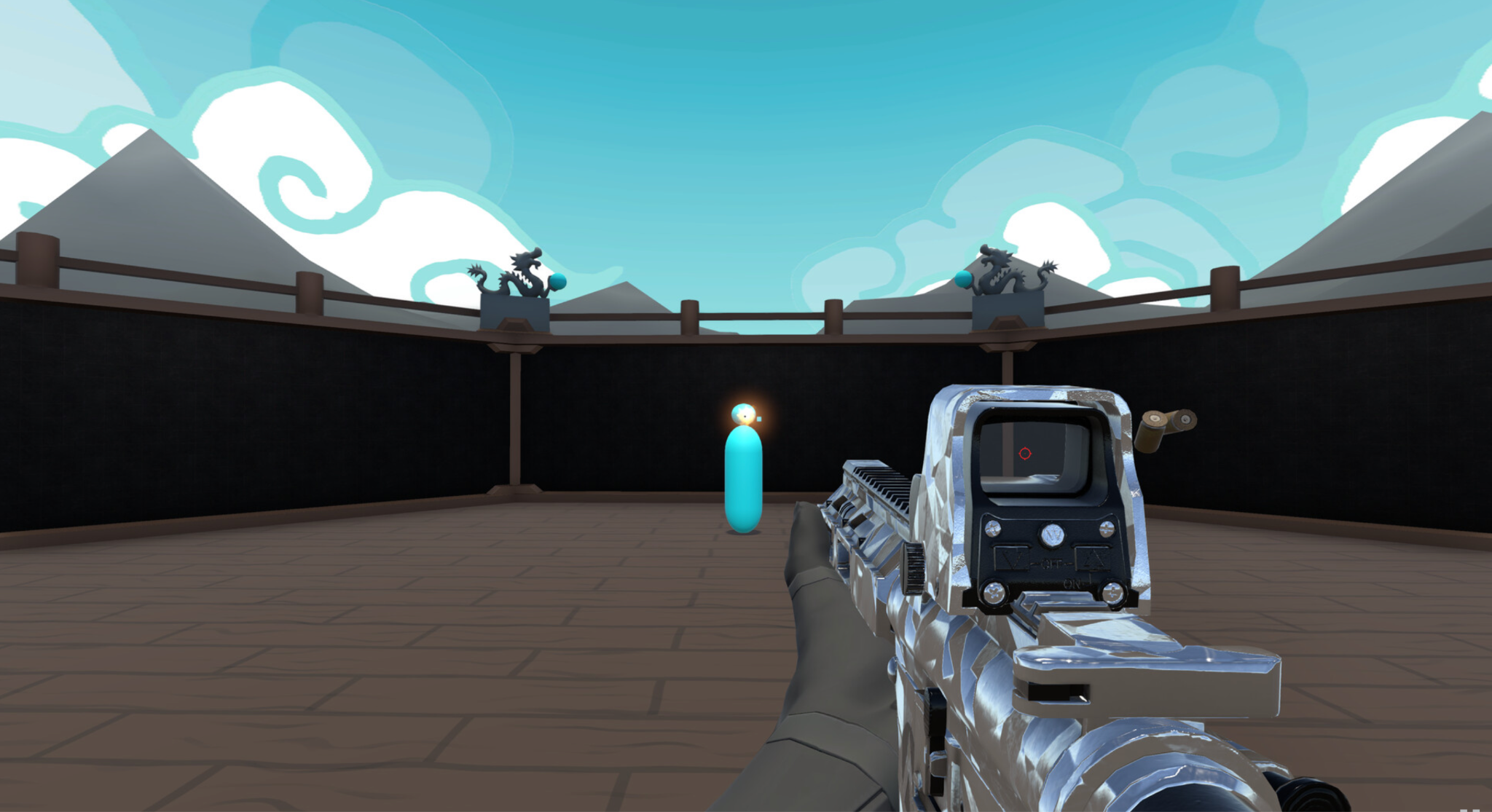
The first scenario to prioritize is something that hones the most basic skills of slow, precise, horizontal tracking, such as the Aquasmoothness drills in Aimlabs. Start at level one and work up to level six to narrow in on the core elements of tracking.
As you begin improving here, you can start to include other drills that challenge you with greater verticality and more erratic targets, enabling you to hone your abilities in reactive gameplay scenarios.
Finally, it’s important to have something that straddles between the two, mirroring the sorts of situations you’ll face during midrange fights where you’ll make use of both disciplines simultaneously (as you won’t get very far without being able to adapt on the fly).
You’ll find dozens of options for each of the three categories above in any of the trainers described. Your best bet is to choose a tracking playlist to start off with and work your way through each day. Once you’ve found drills in each category you like, select three to six to use long-term (one or two each for smoothness, reactive, and mixed tracking).
Mouse Sensitivity, Mousepads, and other Physical Barriers
The relationship between your mouse and mousepad is an underestimated factor. If you don’t already have one, getting a decent mouse is the first step, and you don’t have to go with anything super expensive. The sweet spot is around $50 – you’ll find plenty of nice options in this price bracket. As far as mouse mats go, you can choose whatever brand you like, but make sure it’s large enough for performing large sweeps (500×500 is ideal).
From here, you’ll need to spend some time dialing in your sensitivity settings.
You can begin by simply getting a feel for what’s comfortable for you in the games you’re playing, following up with concepts like cm/360 (how far your mouse needs to travel on your mat to rotate your character 360 degrees in game) and DPI (Dots Per Inch, which is the direct sensitivity of the mouse’s sensor) to fine-tune things further. Aiming.pro has a great online tool for converting sensitivities between games, and you can check out this video for more information on the relevance of cm/360 and DPI (in general, though, 40cm/360 is a great range for most games). If you end up getting Aimlabs Plus, they have a built-in sensitivity finder that can be really helpful.
Consistency Makes Perfect
As you can see, there’s a lot to learn, and while tracking is considered a single skill, you’ll need to consider many smaller elements to truly get a handle on things.
This will take time, patience, and, most importantly, consistency. There will be times when it feels like nothing is moving despite your best efforts, but being consistent, approaching your training with diligence, and having a keen eye for promptly identifying weaknesses as they develop will keep you inching closer to enviable tracking. Good luck!